Summary: A successful and safe camping experience starts with a well-prepared camping gear list. Essential items categorized into shelter, sleep, nutrition, and personal safety will save your first night in nature from turning into a nightmare. According to the standardized rules in Turkey's campgrounds for the 2025 season, a double-wall tent suitable for the season and a sleeping pad with high insulation value are the most critical investments.
What You Will Learn in This Article
- The fundamental steps to creating a complete and budget-friendly camping gear list
- Technical and vital details to consider when choosing a tent, sleeping bag, and pad
- The minimum kitchen equipment and water management required for cooking outdoors
- Gear variations based on the season and campground (e.g., Kaş in summer, Yedigöller in autumn)
- The most common gear mistakes made by first-time campers and practical solutions
Camping Gear List: Why Is It Critical for Your First Adventure?
Unzipping your tent in the early hours of the morning to feel the cool breeze of the Kaz Mountains and the scent of wet earth on your face is the purest form of blending into nature. However, turning this romantic scene into reality depends entirely on the preparations you make before the sun goes down. In the wild, the rules are simple: nature responds to your preparation, not your intentions. This is exactly where a comprehensive camping gear list comes into play. According to current data from outdoor sports platforms in Turkey, 68% of first-time campers give up on planning a second trip because they suffer from cold, hunger, or sleeplessness due to bringing the wrong or incomplete gear. This guide is designed to include you in that successful and happy 32% minority.
Basic Camping Gear Inventory: From Shelter to Nutrition
Comfort in nature isn't about dragging your household items into the forest; it's about choosing the right, functional gear. Dividing your needs into four main categories when preparing your list ensures you won't miss a single detail.
1. Shelter and Sleep System
Your sleep system is your most important life support unit at camp. While your tent protects you from wind and rain, your sleeping pad and bag trap your body heat.
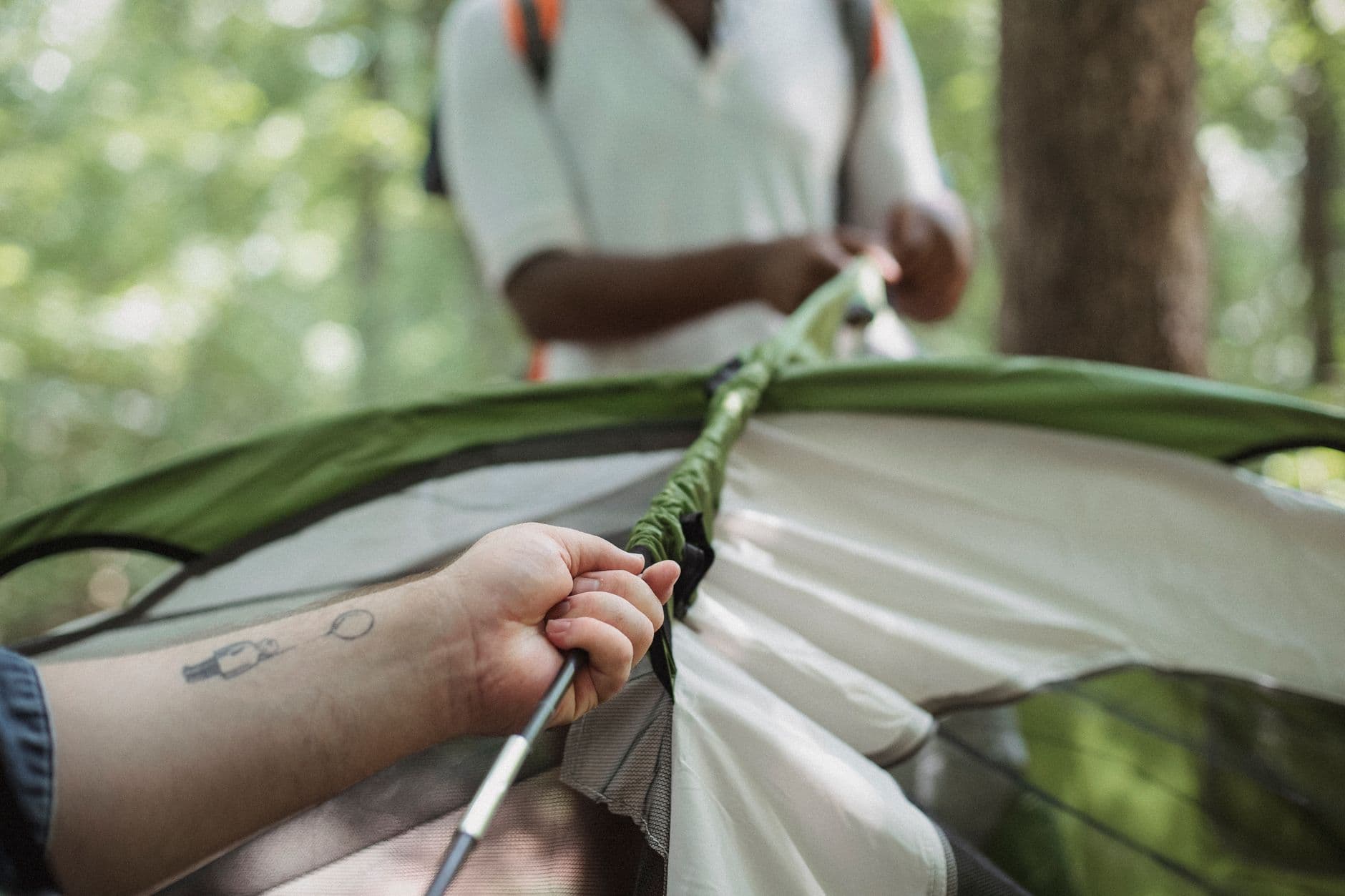
- Double-Wall Tent: Single-wall supermarket tents cause condensation (sweating) inside by the time you wake up. You should choose a double-wall model with aluminum poles and ventilation windows. Why? Because venting out the moisture from your breath is the only way to stay dry.
- Sleeping Pad: It is even more important than a sleeping bag. Using a pad with the right insulation value (R-value) blocks the cold coming from the ground, preventing body heat loss by up to 60%. You can opt for an inflatable or foam pad.
- Sleeping Bag: It should be chosen based on the lowest nighttime temperature of your destination (using the Comfort rating). For example, while a thin synthetic bag is sufficient on the Aegean coast in summer, you will need a mummy-style, insulated bag in the foothills of Uludağ in autumn.
2. Kitchen and Cooking Gear
Cooking outdoors is a joy in itself, but without the right tools, it can turn into a chore.
- Camping Stove and Gas Canister: In national parks where campfires are prohibited (for instance, under the General Directorate of Forestry's summer bans for the 2025 season), this is your only alternative for hot food and water.
- Pot/Pan Set and Cutlery: Lightweight aluminum or titanium sets should replace heavy steel pots from home. Why? They are easier to carry and heat up much faster on camp stoves, saving gas.
- Thermos and Water Containers: Water sources in nature may not always be reliable. You should plan for at least 3-4 liters of water per person per day.
3. Clothing and Personal Gear
- Layered Clothing (The Onion System): Cotton clothes trap sweat and make you cold when the wind hits. You should use a synthetic or merino wool base layer, a fleece mid-layer, and a waterproof/windproof outer layer (hardshell).
- Hiking Boots: An outdoor shoe with ankle support, a non-slip sole, and water-repellent features prevents sprains and wet feet.
4. Lighting, Safety, and Hygiene
- Headlamp: Keeps your hands free. It is vital when pitching a tent or going to the bathroom at night. Don't forget spare batteries.
- Comprehensive First Aid Kit: Should include basic supplies like band-aids, antiseptic solution, bandages, painkillers, and a tick removal card.
- Trash Bags: The only thing we should leave behind in nature is our footprints.
Gear Selection and Packing: Step-by-Step Preparation Process
Buying or renting gear is just the first step. The real skill lies in organizing them properly and making them ready for use.
- Needs Analysis and Route Planning: Tailor your gear list to your destination. Why? Because the equipment required for a forest camp in Akyaka is completely different from a high-altitude camp in the Aladağlar. Always double-check the weather forecast 24 hours before you leave.
- Testing the Tent at Home or in the Backyard: Trying to pitch a newly purchased tent for the first time directly at the campsite, especially as it gets dark, is a huge mistake. Why? You need to see beforehand if there are any missing parts (poles or pegs) and get accustomed to the setup mechanics.
- Backpack Packing (Center of Gravity Optimization): Place light but bulky items like your sleeping bag at the bottom, heavy gear (tent, food, water) closest to your back and in the middle, and emergency essentials (raincoat, headlamp, first aid) in the top pockets. Why? This arrangement balances your center of gravity and reduces the load on your lower back.
Gear Strategies Based on Experience Level and Season
For Beginners: Don't spend tens of thousands of liras buying professional gear for your first camp. Rent expensive items like tents and sleeping bags, or borrow them from experienced friends. First, test whether camping is a lifestyle that suits you.
For Advanced Campers (Ultralight): Saving weight should be your priority. Minimize your load with titanium kitchen sets, down sleeping bags (which compress much more and are lighter than synthetic ones), and lightweight tarp tents set up with trekking poles.
Weather Variations: If you are camping on the Mediterranean coast in the summer, a simple pique blanket or a silk liner might be enough instead of thick sleeping bags. However, if you are camping in the Marmara region during spring or autumn, an extra protective groundsheet (footprint) under your tent and waterproof covers will be lifesavers against sudden downpours.
Common Gear Mistakes Made by Novice Campers
- Mistake 1: Choosing a Sleeping Bag Based Only on Air Temperature. The perceived temperature at night is always lower than forecasted. Solution: Always choose a sleeping bag rated for temperatures 5 degrees colder than the lowest expected temperature.
- Mistake 2: Bringing Too Many Cotton Clothes. Cotton doesn't dry when it gets wet or when you sweat. Solution: Opt for thermal base layers and quick-drying synthetic outdoor pants.
- Mistake 3: Thinking a Phone Flashlight is Enough for Lighting. Phone batteries drain very quickly in nature. Solution: Make sure to get an independent headlamp and a lantern for inside the tent.
Life-Saving Tips from Veteran Campers
Experience is gained by living in nature. Here are a few practical secrets frequently used by master campers:
- You can create wonderful, soft ambient lighting inside your tent by strapping your headlamp to a clear or translucent water jug (like a 5-liter water bottle) or pointing it inward.
- Always pack your clothes and electronics in waterproof dry bags or ziplock bags before putting them in your backpack. Even if it doesn't rain, the morning dew will make everything damp.
- In cold weather, fill your thermal flask with hot water and place it at the foot of your sleeping bag before getting in. It will serve as a fantastic heat source until morning.
Safety in Nature: Gear-Related Risks and Precautions
Safety in the wild begins with anticipating risks. Never pitch your tent under dead or rotting giant trees; a sudden gust of wind could send branches crashing down on your tent. Never use your camp stove or any fire source inside the tent. Carbon monoxide poisoning is odorless and deadly. Additionally, instead of storing your food inside your tent, keep it in odor-proof sealed containers or inside your vehicle (if you are car camping). Food left out in the open will attract foxes, wild boars, and bears to your campsite.
3 Critical Rules to Know Before Arriving at the Campsite
- Adopt Leave No Trace Principles: You must take back everything you bring into nature. Do not leave any trash behind, including organic waste.
- Make a Communication and Navigation Plan: You might not have cell service at your destination. Download offline maps to your phone and make sure to inform a relative or friend about your camping location.
- The Rule of Redundancy: In the wild, "two is one, and one is none." You should always have backups for your fire starters (lighters, matches) and lighting sources (batteries, lanterns).
Frequently Asked Questions
Where should I start when preparing a camping gear list?
First, you should create four main categories: shelter, sleep, nutrition, and personal safety. You can start by filling these categories with essential items (tent, sleeping pad, sleeping bag, headlamp) based on the weather conditions of your destination and the duration of your trip.
How much budget should I allocate for my first camp?
The budget depends entirely on the brands you choose, but instead of setting aside a large budget for your first camp, renting or borrowing a tent and sleeping bag is the most logical step. Allocating a basic budget just for personal hygiene items, a sleeping pad, and appropriate clothing is sufficient.
Is a sleeping bag necessary when camping in the summer?
Even if you camp in the summer, nighttime temperatures in nature can drop suddenly, creating a significant chill towards the morning. Instead of a thick winter bag, you should definitely have a thin summer sleeping bag or a high-quality fleece blanket with you.
What tent size should I choose?
Tent capacities are determined by the number of people inside, but don't forget that your backpacks will also take up space. If two people are camping, choosing a 3-person tent (with a vestibule) always provides a more comfortable space to fit easily with your gear.
How can I charge my phone if there is no electricity at the campsite?
In nature camps without electricity, the most reliable solution is to use high-capacity (at least 10,000 - 20,000 mAh) and shock-resistant portable power banks. For long-term camps, foldable solar panels can also be preferred.
Time to Return to Nature: Pack Your Bag
Camping for the first time is an exciting step into the unknown. A properly prepared camping gear list transforms this step from a nightmare into a passion you'll want to repeat every weekend. Your gear is not there to isolate you from nature, but to help you live in harmony with it. Now, grab your list, complete what's missing, and pack your backpack with care. The sense of freedom you'll feel while sipping that unique coffee on the morning of your first night in nature will make all this preparation worthwhile. Don't forget to share your camping experiences and your first tent setup with the kampci.io family; see you in the great outdoors!