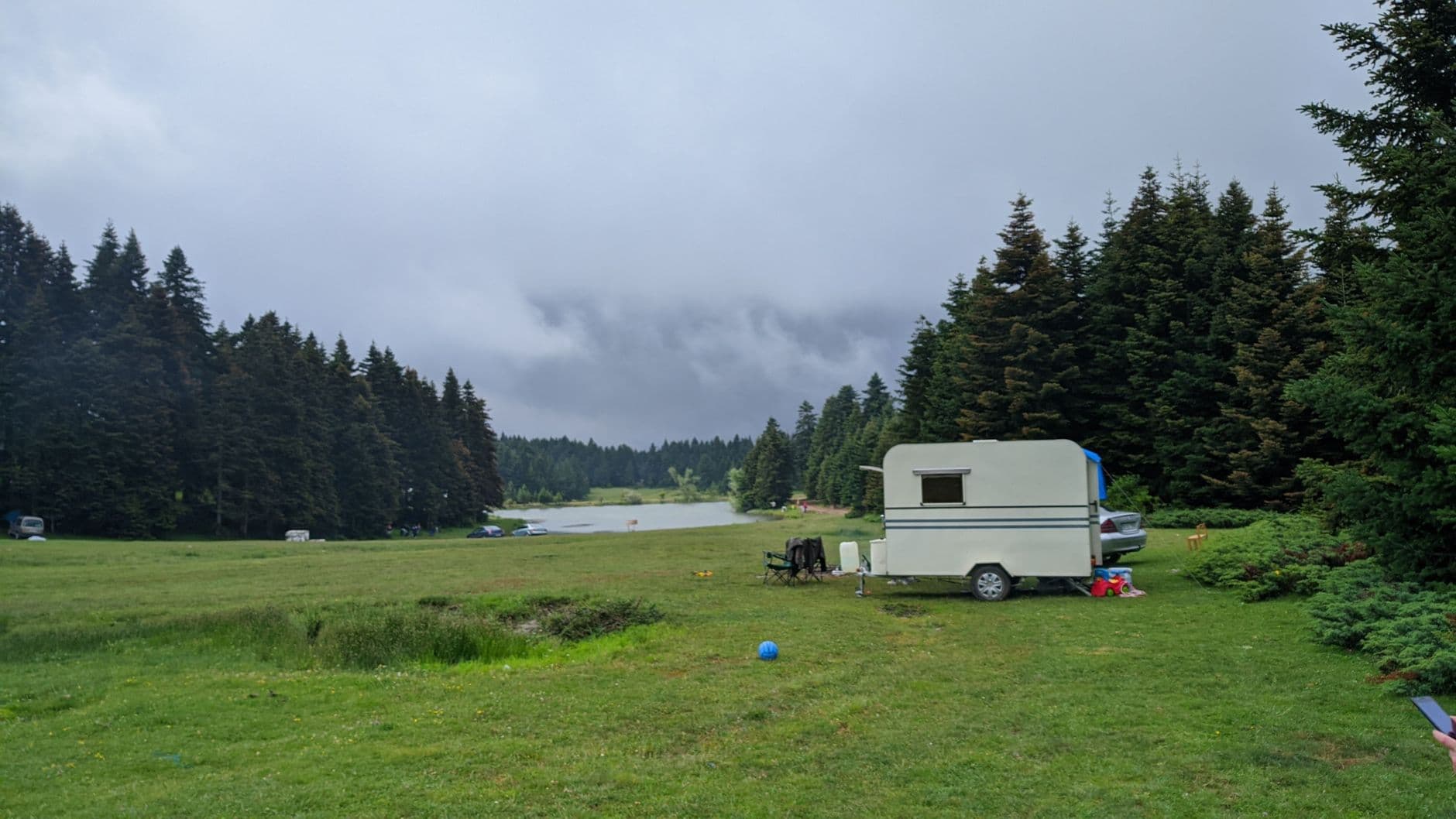
Summary: Bolu campsites offer a unique year-round tent camping experience nestled among lush beech forests and serene lakes in the Western Black Sea region. At spots like Yedigöller National Park, Abant Nature Park, and Pürenli Plateau, the ground typically consists of damp leaf litter and clay soil. While 80% of the region has mobile coverage, signal drops completely in deep valley floors.
What You Will Learn in This Guide
- A detailed breakdown of Bolu's most popular and hidden lakeside camping spots.
- Tent pitching techniques tailored to soil types and sleeping pad selection strategies.
- Cellular coverage strength by carrier, along with available water and facility amenities.
- Nighttime temperature drops and wildlife safety precautions.
- Seasonal driving routes to Bolu campsites and vehicle recommendations.
Bolu Campsites and the Region's Natural Characteristics
Bolu campsites are among the most preferred destinations for outdoor enthusiasts in Turkey, thanks to their rich vegetation, serene lakes, and crisp mountain air. Situated conveniently halfway between Istanbul and Ankara, Bolu makes for an ideal weekend getaway. Positioned at the transition zone between Black Sea and Central Anatolian climates, massive beech, fir, Scots pine, and oak trees form a dense natural canopy over the camping areas.
The ground structure primarily consists of rich organic humus and damp soil. Beneath the leaf litter in autumn and spring, a mud layer easily forms that can quickly turn soft and boggy. Humidity levels in Bolu's forests exceed 85% in autumn, with day-to-night temperature fluctuations reaching up to 15°C. Therefore, a waterproof ground footprint (tarp) under your tent is essential, and wide-surface mud or snow stakes are strongly recommended.
Top Lakes and High Plateaus for Camping in Bolu
1. Yedigöller (Seven Lakes) National Park Campsite
This site is set around seven landslide-dammed lakes: Büyükgöl, Seringöl, Deringöl, Nazlıgöl, Kurugöl, İncegöl, and Sazlıgöl. Designated camping areas are located around Büyükgöl and Deringöl. You can pitch tents on wooden platforms or directly on dirt ground. Because weekends can get extremely crowded, visiting on weekdays is highly recommended for those seeking tranquility.
2. Lake Abant Nature Park Camping Area
Known for its surrounding walking trails and expansive meadows, Abant offers controlled camping sites near the main entrance gate. The grassy ground is quite level, though exposed to wind. Sitting at an elevation of 1,325 meters above sea level, nights here get noticeably cold.
3. Pürenli and Balıklı Plateau Camping Spots
These locations cater to experienced campers looking for a completely backcountry experience with no facilities. Flat meadow ground with soft grass cover makes for comfortable tent setups. Since the ground near stream banks tends to be boggy, it's best to pitch your tent on slightly elevated ridges.
4. Sülüklügöl Nature Park
Combining hiking and camping, Sülüklügöl is an enclosed basin framed by steep cliffs and dense pine forests. The compacted dirt ground near the lake offers a stable base, though wind through the valley can pick up significantly during stormy weather.
Transportation and Road Conditions to Bolu Campsites
Roads from central Bolu to Abant and Gölcük are fully paved and easily accessible year-round with any standard sedan. The route to Yedigöller takes about 42 km from downtown Bolu. Most of the road is winding and asphalted; however, due to landslide risks during winter and heavy rain, the direct Bolu-Yedigöller road may be closed to traffic, redirecting access via Mengen.
For highland routes like Pürenli, Balıklı, and Sülüklügöl, the last 5–10 kilometers consist of unpaved mountain dirt roads. High-clearance or 4x4 vehicles make travel much smoother, especially in wet conditions, as standard sedans carry a high risk of scraping bottom.
Infrastructure, Facilities, and Cell Signal Coverage
Official national parks and untouched plateaus in Bolu differ greatly in terms of available infrastructure:
- Abant and Yedigöller: Faucets/water fountains, men's/women's restrooms, trash containers, and picnic tables are available. Electricity is limited, typically restricted to common lighting. Shared refrigerators or showers are not available.
- Highland Plateaus (Pürenli, Sülüklügöl): No facilities, electricity, or built restrooms exist. Drinking water must be sourced from natural springs, making a water purification filter or purification tablets essential.
- Cellular Network & Coverage: Turkcell provides strong 4G coverage along Abant, Gölcük, and central Bolu roads. Vodafone and Türk Telekom offer decent reception around the main lakes. However, inside the deep valley of Yedigöller and low basin areas of Pürenli Plateau, cell signal drops completely across all carriers.
Pros and Cons of Camping in Bolu
When planning a trip, it helps to weigh the advantages against the challenges of camping in Bolu:
- Pros: Unique forest ecology, crisp clean air, stunning scenic vistas, proximity to Istanbul and Ankara, and abundant fresh natural water sources.
- Cons: Sharp nighttime temperature drops, high humidity, weekend crowding, and noise levels. Yedigöller National Park hosts an average of 400,000 visitors annually, with weekend occupancy reaching 100%.
Safety, Wildlife, and Emergency Precautions
Bolu's dense woodlands harbour diverse wildlife. Brown bears, wild boars, foxes, and jackals are active throughout the region. When camping in backcountry plateaus or secluded parts of Yedigöller, strict adherence to these rules is vital:
- Never leave food, scented toiletries, or open provisions inside your tent. Store all food in airtight containers and bear-hang them from a tree branch at least 30 meters away from your sleeping area.
- Do not leave trash bags outside overnight; lock them inside your vehicle or hang them off the ground.
- Keeping a small campfire (only in approved elevated fire pits/stoves) or a light source visible at night helps keep wild animals at a safe distance.
- Medical Facilities: The nearest fully equipped hospital is Bolu İzzet Baysal State Hospital in central Bolu. First-responder emergency care stations are also located at the Abant highway junction and the entrance to Mengen.
Seasonal Guide to Camping in Bolu
Although Bolu displays a stunning color palette in every season, your gear prep must align with the time of year:
- Spring (April – June): The forest awakens and streams run high. Rainfall is frequent. A reliable waterproof 3-season tent and high-cut waterproof hiking boots are essential.
- Summer (July – August): An ideal escape from urban heat. Temperatures around 25°C during the day can plunge to 10°C at night. Pack lightweight layers and a decent windbreaker.
- Autumn (September – November): Bolu's golden hour season. Vibrant yellow, red, and copper foliage offer a dream landscape for photographers. Nighttime temperatures drop near freezing, making sleeping pad insulation (R-value min 3.0) critical.
- Winter (December – March): Expect heavy snowfall. Recommended strictly for experienced winter campers equipped with 4-season/5-season tents, sub-zero rated sleeping bags, and a snow shovel.
3 Unique Features That Set Bolu's Nature Parks Apart
- Landslide-Dammed Lakes and Biodiversity: No other region in Turkey packs this many natural landslide-formed lakes and over 30 distinct tree species into a single geographical zone.
- Dramatic Four-Season Visual Transformation: From vibrant spring greens to fiery autumn foliage and blanketed winter snowscapes, the landscape offers a completely fresh atmosphere with every visit.
- Pristine Wilderness Near Major Metropolises: Just a 30 to 40-minute drive off the main highway puts you deep inside pristine, untouched old-growth forest.
Frequently Asked Questions
Are campfires allowed in Bolu campsites?
Open ground campfires are strictly forbidden in national and nature parks. Elevated fire braziers or portable camping stoves are permitted only during designated hours within designated picnic zones.
Do I need an advance reservation to camp at Yedigöller?
Camping fees at Yedigöller National Park are paid upon entry at the park gate. Since capacity limits may be enforced during peak volume, arriving early on weekends is crucial.
Is there mobile phone reception at Bolu campsites?
While mobile carriers offer reliable coverage around Abant and Gölcük, signals often drop completely in the deep valleys of Yedigöller and across Pürenli Plateau.
Where is the nearest medical facility located?
Bolu İzzet Baysal State Hospital in central Bolu is the most comprehensive facility for emergencies. Emergency first-aid stations are also available along the Abant road route.
What insulation setup is needed for winter camping in Bolu?
Winter temperatures in Bolu can drop below -10°C at night. You should use a high-quality down or synthetic sleeping bag with a comfort rating of at least -5°C, paired with a sleeping pad boasting an R-value above 4.0.
Plan Your Camping Adventure in Bolu's Nature Parks
The aroma of damp earth, the rustle of massive beech trees, and morning mist rising over quiet lakes will leave the rush of city life far behind. Equipped with the right gear, seasonal clothing, and a Leave-No-Trace mindset, Bolu's campsites promise unforgettable outdoors memories. To expand your itinerary and explore more breathtaking Black Sea highlands, check out our other regional camping guides across the platform.