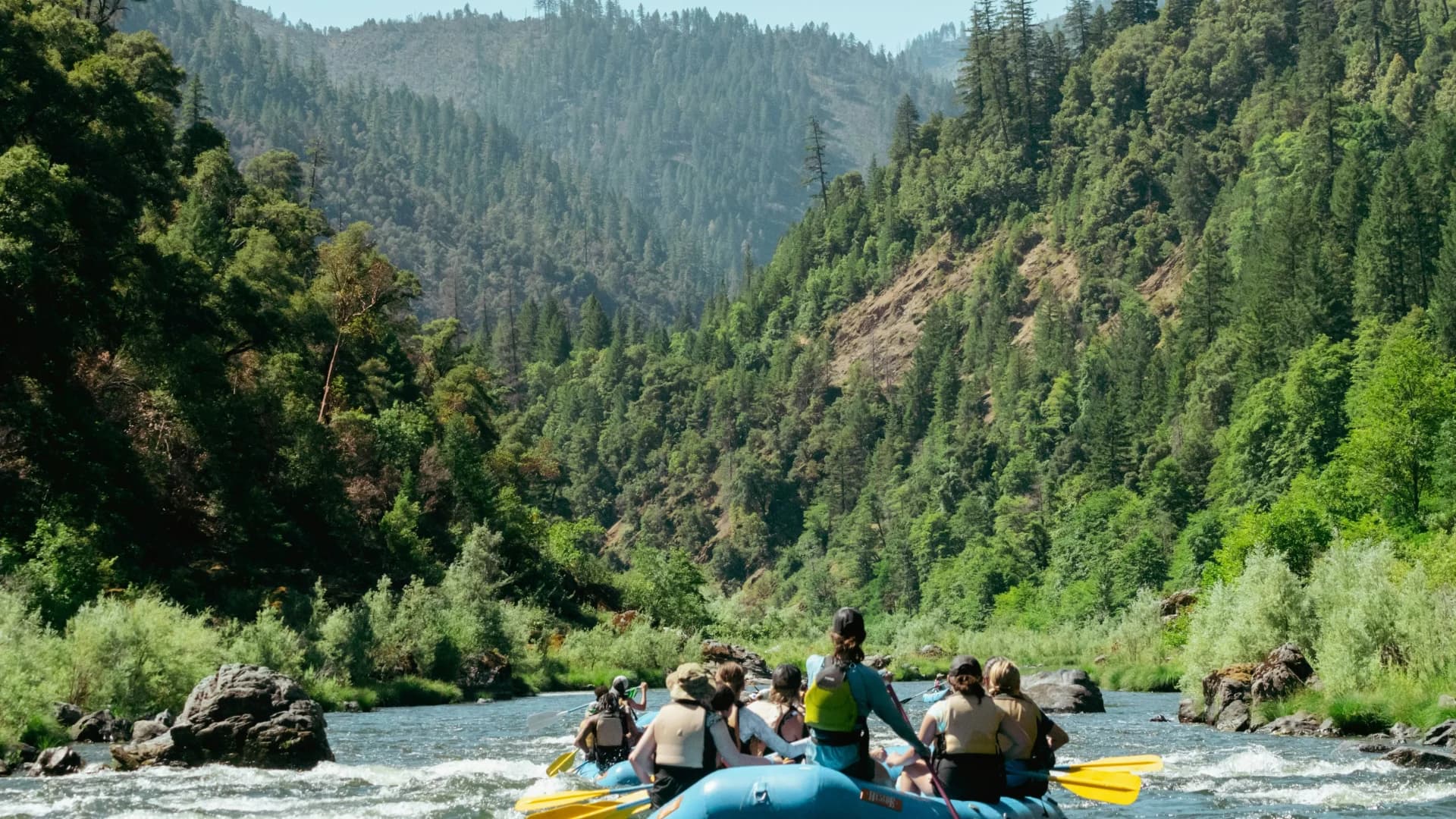
Summary: Antalya campsites offer both beachfront and high-altitude plateau alternatives where pine forests meet the
Mediterranean. While facility-equipped areas are concentrated in popular regions like Çıralı, Adrasan, and Olympos, more pristine, free camping opportunities are available along the Korsan Bay and Gelidonya Lighthouse routes. The ground in the region is generally composed of sand, fine gravel, or hard soil. Due to high humidity in the summer, April-May or September-October are the most ideal periods for camping.
What You Will Learn From This Article
- How to choose tent pegs based on different ground types (sand, gravel, hard soil).
- A detailed infrastructure comparison between facility-equipped and free campsites in the region.
- Cell phone reception, water sources, and locations of the nearest healthcare facilities.
- Weekday and weekend crowd levels and noise expectations.
- Regional camping risks such as wildlife, summer heat, and wind.
Antalya Campsites: Connecting with Nature in the Mediterranean
Where the salty breeze of the Mediterranean mixes with the resin scent of red pine forests, Antalya's campsites offer a wide spectrum for those who love tent life. This geography, where you can not only swim but also follow the traces of the Lycian Way stretching from ancient times to the present, has a highly dynamic structure for camping. More than 70% of the campsites in Antalya are located directly on the Lycian Way route or at most 5 kilometers away from it. This makes the region a hub not just for stationary campers, but also for backpackers. From pristine bays where the only sounds you'll hear after pitching your tent are the rustling of waves and cicadas, to fully-equipped facilities offering hot showers and Wi-Fi, it is possible to find a spot that meets your expectations.
Ground and Geographical Features of Beach and Forest Camps
As you head towards the western coast of Antalya, the geography changes rapidly. Campsites in the Çıralı and Olympos regions generally consist of fine sand and round pebbles carried from riverbeds. When pitching a tent in these areas, standard aluminum pegs may struggle to grip the sand; therefore, using wide-surface sand pegs is always more advantageous. If you go further west, around Korsan Bay or Gelidonya Lighthouse, the ground gives way to red, quite hard, and rocky soil. Here, you should definitely have a camping hammer or a heavy stone with you to drive the tent pegs in. In forest campsites, fallen pine needles act as a natural mat, softening the ground, but it would be beneficial to stretch an extra tarp over your tent to protect against dripping resin in these areas.
Transportation and Road Conditions to Your Camping Bay
Transportation to Antalya campsites is generally provided via the D400 highway. As you travel from the center of Antalya towards Kemer, Kumluca, and Finike, you need to turn off the main road and enter winding, narrow roads descending to coastal towns. For instance, while the roads leading down to Adrasan and Olympos are asphalt, they require careful driving due to two-way traffic, especially during the summer season. To reach more untouched spots like Korsan Bay or Maden Bay, you will have to spend the last few kilometers on unpaved, potholed, and dusty dirt roads. Standard passenger cars can navigate many of these roads if driven carefully, but entering areas like Maden Bay with low-clearance vehicles can damage the oil pan; a high-clearance SUV or 4x4 vehicle should be preferred for such challenging routes. Since caravan and day-tripper traffic will intensify on these narrow roads on weekends, arriving at the campsite on Friday morning or Thursday evening is the most stress-free method.
Facilities, Infrastructure, and Meeting Daily Needs
Campsites in the region are divided into two in terms of infrastructure. Private camping businesses running parallel to the Çıralı and Adrasan coasts offer amenities such as hot showers, clean toilets, shared refrigerators, electricity per tent, and even washing machines. Just outside these facilities, within walking distance, you can find national supermarket chains (Migros Jet, Şok) and local greengrocers. However, when you turn your route to free and wild camping areas (for example, the back bays of Phaselis, Korsan Bay, or Alacasu Cennet Bay), the situation changes completely. There are no toilets, showers, or clean water sources in these areas. You must bring all your water and food with you. Since the humidity level on Antalya's beaches exceeds 80% in the summer months, the daily drinking and utility water requirement per person reaches a minimum of 4-5 liters. Therefore, if you are going to camp off-grid, water planning is of vital importance.
Where Are the Best Camping Spots?
If you are camping in Çıralı, prefer the inland flats shaded by giant pine trees near the southern end of the beach (towards Olympos). This way, you prevent the morning sun from turning your tent into an oven and protect yourself from the coastal wind. In Adrasan, although tents pitched by the river are visually appealing, the mosquito population is high due to stagnant water; therefore, choosing slightly sloping hillsides facing the sea, at least 50 meters away from the river, is more comfortable as it will provide airflow.
Pros and Cons: Manage Your Expectations Correctly
The biggest advantage of camping in Antalya is that the season is very long. While the camping season closes in October in other parts of Turkey, you can camp in mild weather in Antalya even in November or December. Additionally, the magnificent trekking routes offered by the Lycian Way and the proximity to the nesting areas of Caretta Caretta sea turtles provide unique experiences intertwined with nature. As for the cons; the stifling humidity and extreme heat in July and August make sleeping inside a tent almost impossible. Furthermore, during the summer months, especially on weekends, free campsites are invaded by day-tripping barbecuers and groups listening to loud music. If you are looking for silence in the middle of summer, you should definitely opt for weekdays or private, paid facilities with strict rules.
Critical Tips Specifically for Antalya Campers
One of the most important details to pay attention to when camping in the region is communication. Turkcell, Vodafone, and Türk Telekom generally have seamless reception in the centers of Adrasan, Olympos, and Çıralı. However, the signal can be completely lost in areas behind the capes, such as Gelidonya Lighthouse, Korsan Bay, and Maden Bay. Inform your relatives of your location before heading to these areas. For a medical emergency, the best-equipped center on the western coasts is Kumluca State Hospital, which is about a 40-45 minute drive from the Çıralı/Adrasan region. Additionally, the wild boar population in the area is quite high. Never leave trash or exposed food outside your tent at night; boars generally do not attack humans, but they can be attracted by the smell of food and damage your tent or equipment.
The Most Ideal Season and Months to Visit
The best camping period for Antalya is undoubtedly the timeframe between mid-April and the end of May, and early September to mid-November. During these months, the seawater temperature is at an ideal level for swimming, while a slight coolness at night ensures a comfortable sleep in the tent. If you plan on winter camping, you must pitch your tent in a sheltered area protected from the wind, such as among trees or behind rocks, to guard against the harsh southwesterly storms blowing from the sea in December and January.
Security, Wildlife, and Risks
Antalya's forested campsites are home to insect species such as scorpions and camel spiders (sarıkız). Keeping your tent's mosquito net closed all day, always shaking out your shoes before putting them on, and using a strong headlamp during night walks are basic safety rules. Furthermore, the risk of forest fires is the number one threat for Antalya. For the 2025 season and beyond, entering forested areas and lighting fires are strictly prohibited by the governor's decree, especially during the summer months. You should only cook your meals on camping stoves and never light an open fire or barbecue. Since there are no security guards in free areas, it is recommended to keep your valuables in your vehicle's locked glove compartment or with you, rather than leaving them in the tent.
3 Features That Make These Routes Unique
There are three main elements that distinguish Antalya campsites from other regions of Turkey: First, the chance to sleep intertwined with ancient ruins; in Olympos, you can step out of your tent and walk to the sea among 2,000-year-old Lycian sarcophagi. Second, night hikes to mythological and ever-burning natural fire sources like Yanartaş (Chimaera). Third is the biodiversity; if you wake up early in the morning, you can witness from a distance the struggle of newly hatched Caretta Caretta sea turtles trying to reach the sea on the beach (during July-August, by following specific rules).
Frequently Asked Questions
Are free campsites in Antalya safe?
Since free campsites are generally located in untouched bays, there is no official security unit. Although they can be crowded on weekends, they are generally safe provided you keep your valuables locked in your vehicle and do not leave food out in the open against the risk of wildlife (especially boars) and theft.
Is it forbidden to pitch a tent on Çıralı beach?
Yes, because Çıralı beach is a first-degree natural protected area and a breeding ground for Caretta Caretta turtles, pitching tents, lighting fires, and going down to the beach at night are strictly prohibited. Camping activities must be done in private facilities just behind the beach.
How to get to Antalya campsites by public transport?
You can take buses heading towards Kumluca, Finike, or Kaş from the Antalya Intercity Bus Terminal (Districts Terminal) and get off at the Çıralı or Olympos junctions on the main road. From here, transportation to the campsites is provided by minibuses that run continuously in the summer and depart every hour in the winter.
What should be considered when camping in Antalya during the summer months?
Due to extreme humidity and heat in July and August, the temperature inside the tent can reach dangerous levels. Instead of double-layered winter tents, summer tents with plenty of mesh should be used, the tent must definitely be pitched in a shaded area, and plenty of water should be consumed in the middle of the day.
Is there cell phone reception at campsites in Antalya?
All operators provide 4.5G speed at facility-equipped campsites close to the centers of Çıralı, Olympos, Adrasan, and Kaş. However, in pristine bays behind the mountains like Korsan Bay, Maden Bay, or Gelidonya Lighthouse, the phone signal is usually completely lost.
Conclusion and Your Next Adventure
Antalya is one of our rare cities that can offer both comfortable facilities for beginners to tent camping and secluded bays for experienced campers who want to be alone with nature, all in the same geography. Choosing the right season, bringing equipment suitable for the ground structure, and respecting the region's natural balance (especially the no-fire rule) will make this experience flawless. If you have pitched your tent and enjoyed the Mediterranean, and want to add a bit more action to your itinerary, it is time to pack your backpack and step onto the region's historical trails. For more adventure, you can plan your next route by checking out the Lycian Way hiking and camping guide on our website.